Source High Temperature DSC Crucible for Melting Assaying Sintering
Compare 29 high temperature dsc crucible options from verified Chinese manufacturers. These alumina and quartz vessels support thermal analysis, smelting, and lab sintering with refractoriness up to 2000°C and customizable sizes; compare the available evidence and request quotations based on your requirements.
Key considerations
Products List


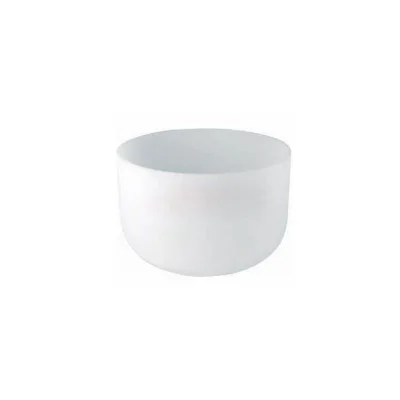


Comprehensive Sourcing Guide
High Temperature DSC Crucible Sourcing Guide
Procuring high-temperature DSC crucibles requires careful selection based on the specific thermal analysis needs of your laboratory. The market offers diverse options ranging from standard alumina compositions to specialized quartz variants, each designed to withstand distinct thermal environments. Buyers must distinguish between crucibles intended for general smelting and those optimized for precise differential scanning calorimetry measurements. Understanding these distinctions ensures that the selected vessel maintains structural integrity during rapid heating cycles and complex thermal profiling.
The observed product landscape includes models with varying refractoriness ratings, from 1100°C up to ranges exceeding 2000°C. This variation dictates the suitability of a crucible for specific material testing applications. Sourcing strategies should prioritize suppliers who clearly define the maximum operating temperature and chemical compatibility of their inventory. Without this clarity, laboratories risk equipment failure or compromised data integrity when testing high-melting-point alloys or ceramics.
Product Scope and Observed Listing Signals
Current listings indicate a wide spectrum of crucible shapes and capacities, including cylindrical forms and custom dimensions tailored for specific analytical instruments. Some suppliers offer standard sizes like 30g or 40g, while others provide extensive ranges from 5ml to 2000ml to accommodate different sample masses. This variability allows procurement teams to match the crucible volume precisely to the sample quantity required for accurate thermal analysis, minimizing heat loss and ensuring representative results.
Packaging methods observed in the market vary significantly, with options including cartons, wooden pallets, and wooden boxes depending on the order volume and fragility of the items. For instance, some units are packed as 40 pieces per carton, while larger or heavier cases may weigh up to 18kg per unit. Buyers should verify the packaging specifications to ensure safe transit, especially when ordering high-precision ceramic components that are susceptible to chipping or cracking during rough handling.
Technical Specifications to Verify
Refractoriness is a critical parameter that defines the maximum temperature a crucible can withstand without deforming or melting. Verified data points show ratings ranging from 1100°C to over 2000°C, with specific models capable of operating between 1580°C and 1770°C. Procurement teams must confirm that the selected crucible's refractory limit exceeds the maximum temperature required for their specific DSC runs to prevent catastrophic failure during high-temperature sintering or melting processes.
Material composition is equally vital, with common options including 99.7% alumina, standard alumina, and quartz. The choice of material directly influences chemical resistance and thermal conductivity, which are essential for accurate thermal analysis. Buyers should verify the exact grade and purity of the material, as impurities can introduce noise into the thermal signal or react with the sample. Additionally, checking for specific model numbers like RY-167 or GT-225 helps ensure the product matches the intended application profile.
Compliance and Safety Documentation
Certification status serves as a primary indicator of manufacturing quality and adherence to international safety standards. Many suppliers provide documentation confirming compliance with CE, ISO, and CCC standards, which are essential for operating equipment in regulated environments. These certifications suggest that the crucibles have undergone rigorous testing for structural stability and material safety, reducing the risk of contamination or hazardous failures during laboratory use.
Safety documentation should also include detailed specifications regarding the baseline values of impurities, such as sulfur and carbon content, which are often listed as less than or equal to 0.0005%. High purity is crucial for DSC applications where trace contaminants can skew thermal data. Buyers must request certificates of analysis that explicitly state these baseline values to ensure the crucibles meet the stringent purity requirements necessary for high-precision scientific research.
Cost Drivers and Commercial Terms
The price of high-temperature DSC crucibles is influenced by material purity, refractoriness ratings, and the complexity of the manufacturing process. Observed market prices range widely from $0.40 to $5800, reflecting the difference between standard laboratory consumables and specialized, high-performance units. Buyers should analyze the cost per unit relative to the expected lifespan and performance characteristics, rather than focusing solely on the initial purchase price.
Minimum Order Quantities (MOQ) and lead times are significant commercial factors that affect procurement planning. Listings show MOQs ranging from a single unit to 5000 pieces, allowing flexibility for both small research groups and large industrial operations. Understanding these thresholds helps buyers optimize inventory levels and negotiate better terms, ensuring that the supply chain remains efficient without tying up excessive capital in stock that may not be immediately needed.
Supplier Qualification and Quality Control
Supplier location and origin play a role in logistics and potential quality consistency, with major production hubs identified in regions like Hunan Province and Henan, China. While these locations are known for ceramic manufacturing, buyers should verify the specific factory capabilities and quality control protocols in place. A supplier's ability to maintain consistent material grades and dimensional tolerances is critical for ensuring that every batch of crucibles performs identically in thermal analysis tests.
Quality control processes should include visual inspections for defects and rigorous testing of refractory properties. Suppliers offering customization options demonstrate a higher level of technical capability and flexibility to meet unique laboratory requirements. Buyers should inquire about the supplier's internal testing procedures for features like high-temperature resistance and structural strength to confirm that the products will perform reliably under the demanding conditions of differential scanning calorimetry.
Long-Term Procurement Checks
Establishing a long-term relationship with a supplier requires regular verification of product consistency and performance over time. Buyers should implement a system to track the performance of crucibles from different batches, noting any variations in refractoriness or material composition that could affect experimental results. Consistent performance is key to maintaining the validity of long-term research projects and ensuring that data collected over months or years remains comparable.
Future procurement strategies should also account for the availability of replacement parts and the continuity of specific product models. As technology evolves, suppliers may update their product lines, potentially discontinuing older models like the RY or GT series. Buyers should secure agreements for continued supply of critical items or identify suitable alternatives well in advance to avoid disruptions in their thermal analysis workflows and research schedules.
FAQs
What materials are used for high temperature dsc crucibles?
High temperature dsc crucibles are typically made from alumina and silica or 99.7% alumina. These materials ensure stability during thermal analysis and firing processes while resisting extreme heat conditions effectively.
Which certifications do these crucibles usually hold?
These crucibles often hold CE, ISO, and CCC certifications. Such certifications verify that the products meet international safety and quality standards required for laboratory and industrial melting applications globally.
How is the refractoriness of these crucibles defined?
Refractoriness ranges from 1100 degrees Celsius up to 2000 degrees Celsius depending on the specific model. This ensures the crucible withstands high temperatures required for smelting, melting, and assaying without deforming.
Can these crucibles be customized for specific sizes?
Yes, customization is available for various sizes ranging from 5ml to 2000ml. Buyers can request specific dimensions like 25x25mm or cylindrical shapes to fit their unique laboratory equipment requirements precisely.
What is the typical packaging method for these items?
Packaging options include cartons, wooden pallets, or wooden boxes depending on the order volume. Standard cartons often hold 40 pieces, while larger orders may utilize wooden cases for enhanced protection during shipping.
Where are these crucibles primarily manufactured?
These crucibles are primarily manufactured in China, specifically in Hunan Province and Henan Province. This location allows for efficient production and distribution to meet global demand for laboratory and industrial equipment.
What are the main applications for these crucibles?
Main applications include thermal analysis, firing, smelting, melting, and assaying. They are designed for laboratory use where precise material handling at high temperatures is critical for accurate scientific results.